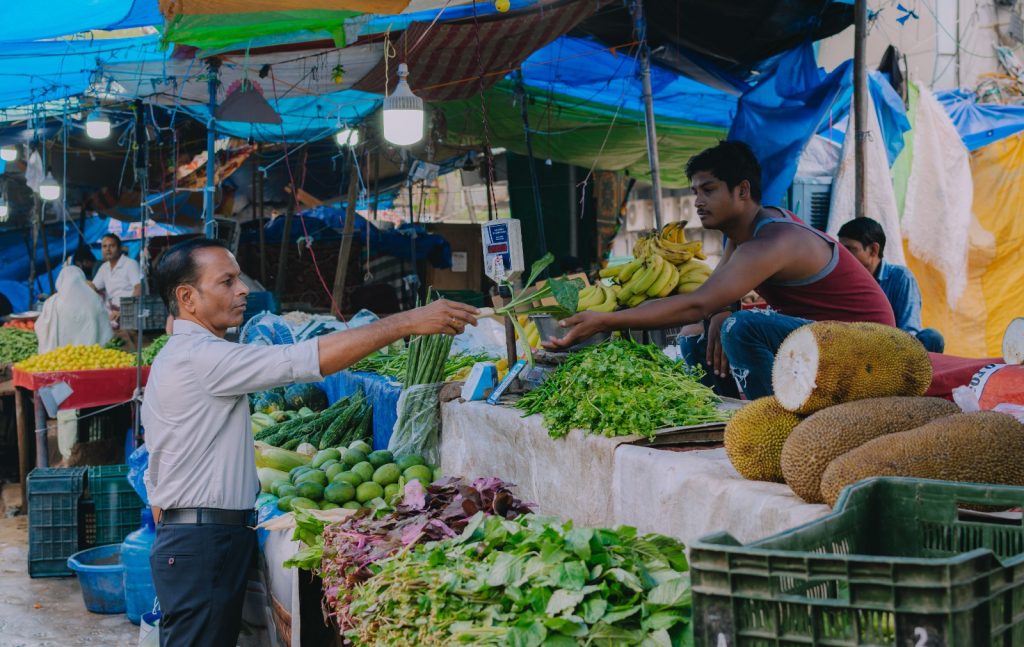
The Role of History, Society and Economics in Shaping Food and Farming
Challenges and possibilities in the path to just food systems
इतिहास, समाज और अर्थशास्त्र के आइने में खेती और खाना
न्यायपूर्ण खाद्य प्रणाली - चुनौतियां और सम्भावनाएं
Important Information
Dates: 8-11th October 2026
Venue: Sitapur District, Uttar Pradesh
Language: The workshop will be conducted bi-lingually (Hindi & English);
proficiency in Hindi is required of participants
Application fee : ₹ 8000 (includes accommodation, meals & all materials used in the workshop)
Last date for Application: Application Closed
Organised by:
Co-organised by
The Bihun Collective, an initiative of Agrendia Association
&
Sangtin
About the Workshop
Food is essential for human sustenance, but it is not simply a biological necessity. It is enmeshed in our individual and collective lives. Yet the contemporary food system often hides the complex interplay of temporal, spatial, economic, social, political and cultural dynamics that shape the materiality of food. Simple questions such as when, where and how food is produced, and by whom, remain invisible and unanswered, thus effectively disconnecting food from its context of production.
However, as our food system has become inextricably tied to discourses of ‘unsustainability’ and ‘crisis’, it has become crucial to engage with it critically. Input-heavy modern farming practices have transformed rural India. Today, large swathes of land are being converted to maize and sugarcane cultivation for ethanol production. The ever-increasing use of pesticides and herbicides is impacting health and the environment; soil organic carbon content is dangerously low; and water tables are dropping sharply. Meanwhile, most families cannot afford a nutritious diet, and malnutrition persists.
On the other hand, terms such as ‘Organic food’, ‘Natural farming’, ‘Agroecology’, and ‘Sustainability’ have become quite common in alternative circles today. Proponents of these concepts often praise and attempt to replicate traditional Indian food and farming practices, such as mixed cropping (baranaaja, akkadi saalu), the use of cow dung and small-scale food processing. These interventions are often a response to the challenges that have emerged in conventional farming systems. However, scaling up these interventions has been challenging and requires further rigorous examination.
During this 4-day residential workshop, we will explore the trajectory of food and farming in India and examine sustainable practices through the lens of history, geography, socioeconomic factors, equity and more. The workshop will be held in Sitapur district, a rural area in western Avadh, UP. The participants will learn first-hand about the challenges farming families face in adopting sustainable practices and accessing nutritious food. Through collective learning and discussion, the workshop will examine possible pathways to establishing just food and farming systems.
शिविर के बारे में
खाना इंसानों के जीवित रहने के लिए ज़रूरी है, लेकिन यह सिर्फ़ इसी ज़रूरत तक सीमित नहीं है। यह हमारे रीति-रिवाज़ में, हमारे त्योहारों में और हमारी रोज़मर्रा की खुशियों में रचा-बसा है। फिर भी, आज की खाद्य प्रणाली अक्सर समय, स्थान, अर्थव्यवस्था, समाज, राजनीति और संस्कृति से जुड़े उन जटिल आपसी संबंधों को छिपा देता है जो भोजन के भौतिक स्वरूप को तय करते हैं। खाना कब, कहाँ, कैसे और किसके द्वारा तैयार किया जाता है? ऐसे आसान सवाल अक्सर नज़रअंदाज़ कर दिए जाते हैं और इनके जवाब नहीं मिल पाते हैं, और इस तरह खान-पान का उसके उत्पादन के संदर्भ से संबंध टूट जाता है।
आज हमारी खाद्य प्रणाली ‘अस्थिरता’ और ‘संकट’ जैसी चर्चाओं से गहराई से जुड़ गई है, इसलिए इस पर आलोचनात्मक नज़रिए से विचार करना ज़रूरी हो गया है। ज़्यादा लागत वाली आधुनिक खेती के तरीकों ने ग्रामीण भारत का कायापलट कर दिया है। अब इथेनॉल बनाने के लिए ज़मीन के बड़े हिस्सों पर मक्का और गन्ने की खेती की जा रही है। कीटनाशकों और खरपतवारनाशकों का लगातार बढ़ता इस्तेमाल सेहत और पर्यावरण पर असर डाल रहा है; मिट्टी में ऑर्गेनिक कार्बन की मात्रा खतरनाक रूप से घट गई है; और जलस्तर तेज़ी से गिर रहा है। इस बीच, ज़्यादातर परिवार पौष्टिक आहार नहीं खरीद पाते हैं, और कुपोषण की समस्या जस का तस है।
दूसरी ओर, आजकल वैकल्पिक क्षेत्रों में ‘ऑर्गेनिक फ़ूड’, ‘नेचुरल फ़ार्मिंग’, ‘एग्रो-इकोलॉजी’ और ‘सस्टेनेबिलिटी’ जैसे शब्द काफी आम हो गए हैं। इन अवधारणाओं के समर्थक अक्सर पारंपरिक भारतीय खान-पान और खेती के तरीकों—जैसे कि मिश्रित खेती (बारानाजा, अक्कड़ि सालु), गाय के गोबर का इस्तेमाल और छोटे स्तर पर खाद्य प्रसंस्करण—की तारीफ़ करते हैं और उन्हें अपनाने की कोशिश करते हैं। ये उपाय अक्सर आधुनिक खेती में सामने आई चुनौतियों का जवाब होते हैं। हालाँकि, इन उपायों को बड़े पैमाने पर लागू करना चुनौतीपूर्ण रहा है और इस कारण से उन्हें और गहराई से समझने की ज़रूरत है।
इस 4-दिवसीय आवासीय कार्यशाला के दौरान, हम भारत में खाना और खेती को समझेंगे इतिहास, भूगोल, सामाजिक-आर्थिक कारकों, समानता और अन्य पहलुओं के नज़रिए से समझेंगे। हम इन नज़रियों से टिकाऊ खेती के तरीकों पर भी विचार करेंगे। यह कार्यशाला उत्तर प्रदेश के पश्चिमी अवध क्षेत्र में एक ग्रामीण इलाका, जनपद सीतापुर में आयोजित की जाएगी। प्रतिभागी किसान परिवारों को टिकाऊ खेती अपनाने और पौष्टिक भोजन पाने में आने वाली चुनौतियों के बारे में सीधे जानकारी हासिल करेंगे। सामूहिक सीखने और चर्चा के माध्यम से, कार्यशाला न्यायपूर्ण खाद्य और खेती प्रणालियों को स्थापित करने के रास्तों पर विचार करेगी।
Important Information
Dates: 8-11th October 2026
Venue: Sitapur District, Uttar Pradesh
Language: The workshop will be conducted bi-lingually (Hindi & English);
proficiency in Hindi is required of participants
Participation fee: INR 8000 (includes accommodation, meals & all materials used in the workshop)
How to Apply
- Click the Apply Now link and complete the Application Form.
- Candidates can:
a. Pay in Full (₹ 8000)
b. Apply for Scholarship – for more details, please see Scholarship Applicants - Last date for Application: 15th September 2026
- Workshop Dates: 8-11th October 2026
- ‘Apply Now’ लिंक पर क्लिक करें और एप्लीकेशन फ़ॉर्म भरें।
उम्मीदवार ये कर सकते हैं:
a. पूरा भुगतान करें (₹ 8000)
b. छात्रवृत्ति के लिए आवेदन करें – अधिक जानकारी के लिए, कृपया ‘स्कॉलरशिप आवेदक’ देखें।
आवेदन की अंतिम तिथि: 15 सितंबर 2026
वर्कशॉप की तारीखें: 8-11 अक्टूबर 2026
Scholarship Applicants
- Application Fee: Candidates applying for a scholarship are required to pay ₹ 2000 as an application fee. Applicants not awarded a scholarship will be reimbursed the full amount after the interview process.
- Interview Notification: Selected candidates who have applied for a scholarship will be invited for an online interview. Successful candidates will be notified via email following the interview process.
- Interview Dates: 17th September 2026
- Notification of Acceptance and Enrolment Instructions: 18th September 2026.
- Applicants not awarded a scholarship can register by paying the workshop fee (₹ 8000) by 20th September 2026
- Last Date of Registration & Payment: 20th September 2026
- आवेदन शुल्क: स्कॉलरशिप के लिए आवेदन करने वाले उम्मीदवारों को 2,000 रुपये का आवेदन शुल्क देना होगा। जिन आवेदकों को स्कॉलरशिप नहीं मिलेगी, उन्हें इंटरव्यू की प्रक्रिया के बाद पूरी रकम वापस कर दी जाएगी।
- इंटरव्यू की सूचना: स्कॉलरशिप के लिए आवेदन करने वाले चुने गए उम्मीदवारों को ऑनलाइन इंटरव्यू के लिए बुलाया जाएगा। इंटरव्यू प्रक्रिया के बाद सफल उम्मीदवारों को ईमेल के ज़रिए सूचित किया जाएगा।
- इंटरव्यू की तारीखें: 17 सितंबर 2026
- स्वीकृति और नामांकन निर्देशों की सूचना: 18 सितंबर 2026
- जिन आवेदकों को स्कॉलरशिप नहीं मिली है, वे 20 सितंबर 2026 तक वर्कशॉप की फीस (₹ 8000) जमा करके रजिस्ट्रेशन करा सकते हैं।
- रजिस्ट्रेशन और पेमेंट की आखिरी तारीख: 20 सितंबर 2026
Meet Our Facilitators
Who should join us?
• Professionals and activists working at the grassroots in food systems initiatives and interventions.
• Researchers and academicians interested in critically engaging with food systems.
• Practitioners and members of collectives/organisations engaged in food production and/or experimenting with different farming alternatives.
• Anyone interested in gaining an in-depth understanding of our food systems.
About the Organisers
Sangtin is a grassroots NGO working with 10,000+ female and male farmer-labourers and rural youth in Sitapur, Hardoi and Lakhimpur-Kheri districts of Uttar Pradesh. It supports rural communities in their quest for a life with dignity, and operates in a culture of collective learning and knowledge sharing (seekhne-sikhaane ki prakriya). Sangtin has supported thousands of farmer-labourers to successfully obtain work and wages under MGNREGA since the scheme’s inception, and to access various social security schemes and government benefits. Its millet initiative has led to hundreds of farmers adopting millet-based mixed cropping and the local processing and consumption of indigenous millets. Sangtin organises activities for rural youth and helps them improve their knowledge, skills and confidence.
Agrendia Association was established in 2016 with a mission to empower individuals and collectives through research, story-telling, leadership-building and immersive learning. The Bihun Collective emerged as an initiative of the organisation to critically engage with and examine the contemporary food system. It has developed a multilingual digital repository to document socio-cultural and historical food realities. The initiative’s primary objective is to foster cross-regional and multilingual discourse on the food system through dialogue, advocacy and research. It has organised several workshops, discussions, and capacity-building to encourage research on critical food studies. The Journal of Contemporary Food Studies was launched in 2025 to provide a platform for voices that critically examine the contemporary food system.
Last date for Application: Application Closed
How to Reach:
Nearest:
Airport – Chaudhary Charan Singh International Airport, Lucknow (116 km)
Lucknow City Stations – Lucknow Jn. Gomati Nagar, Badshahnagar (90 km)
Railway Station – Sitapur Jn. (3 km.)
Sitapur City Jn. (6.5 km)
Lucknow to Sitapur Trains –
Vande Bharat Exp – Daliganj (DAL) to Sitapur (STP)
Ash Ksj Express – Aishbagh (ASH) to Sitapur (STP)
Gkp Izn Exp – Daliganj (DAL) to Sitapur (STP)
Bus Station – Sitapur Bus Station (3.3 km)
Local Transport – E-Rickshaws are available for local conveyance.
Last date for Application: 30th August 2026
For more information and queries, contact